


Listen Live:
Saturday’s: 9AM
Fox Sports Ventura
1590 AM/97.9 FM KVTA
Sunday’s: 6:30AM
K-EARTH 101 FM
Listen Live:
Saturday’s: 9AM
Fox Sports Ventura
1590 AM/97.9 FM KVTA
Sunday’s: 6:30AM
K-EARTH 101 FM
Suzie Wilson
www.happierhome.net
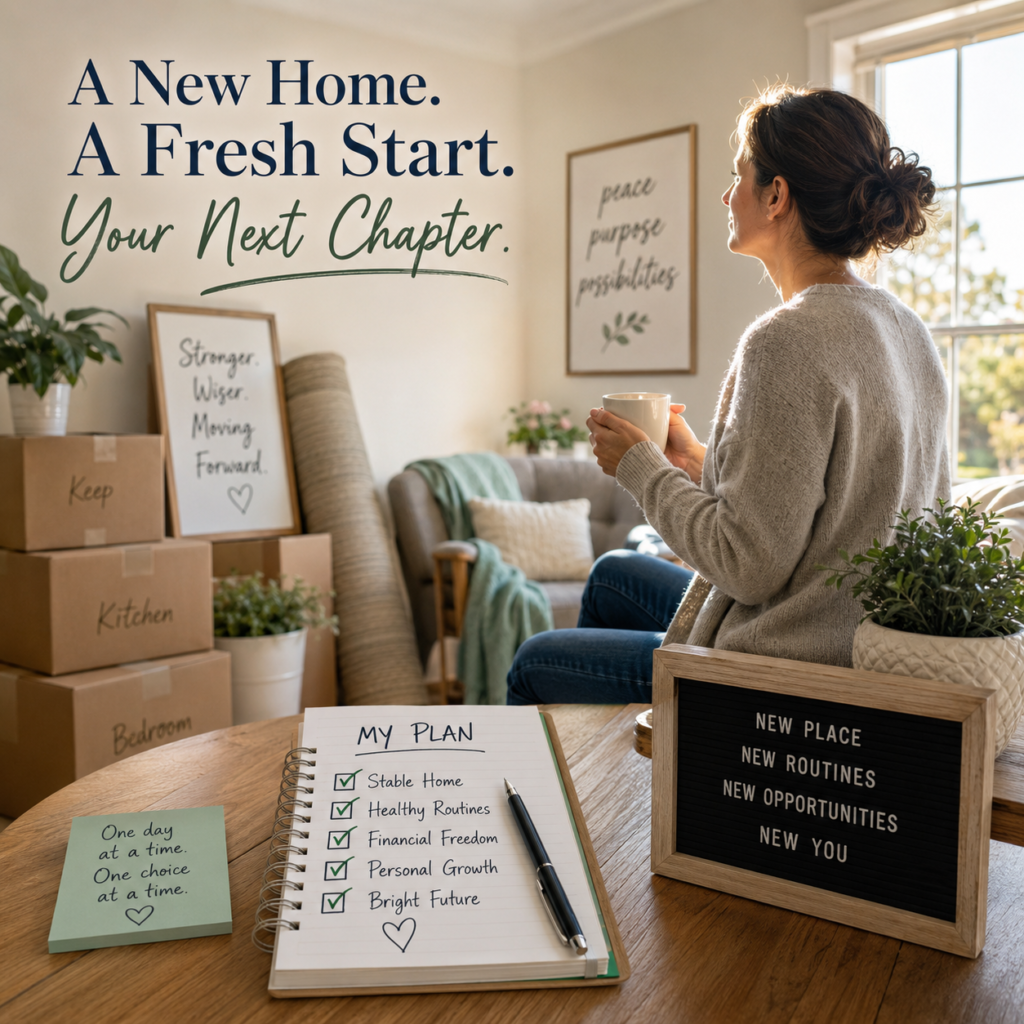
For divorced individuals relocating after divorce, the move can feel like two upheavals stacked together: the emotional challenges post-divorce and the practical aspects of moving that don’t pause for grief, anger, or plain exhaustion. Every box can carry a memory, and every decision, what to keep, where to live, how to set up a new routine, can feel heavier than it “should.” At the same time, starting over after separation creates a rare chance to choose what comes next with more intention and less compromise. A steadier home can be built from the inside out.
A supportive home environment is a space designed to steady you when everything else feels in motion. It is not about perfection. It is about using layout, simple systems, and a few intentional comforts so daily life feels predictable and safe.
This matters because stability often comes from tiny repeats: where keys live, how mornings start, and where you can decompress. Practical anchors like review your divorce decree and update insurance policies reduce surprises, which protects your energy for healing and rebuilding.
Think of your new place like a landing pad. You set up one clear drop zone by the door, a short evening reset routine, and a comfort corner for hard days. Those choices turn the home into a base that supports your next goals. With a steadier base, learning and community steps feel more doable after relocation.
Once your new space supports you day to day, learning can give you the forward motion that makes a fresh start feel real. Going back to school after divorce can be a practical way to rebuild confidence while you’re settling into a new home: you’re gaining current skills, meeting people with shared interests, and giving yourself a clear focus that supports personal growth. If you want a concrete direction, a business degree can help you develop tools in accounting, business, communications, or management, which can translate into stronger career options as you build stability. If you’re curious what that path can look like, you can find more details here. Online degree programs can also make this doable when life is full, letting you work full-time while keeping up with your coursework.
A new home after divorce doesn’t have to feel like a long, messy project. One focused weekend can get you to “livable and calm” by organizing what matters first, setting simple routines, and building support into the space.
When your space runs on a few steady routines, you’ll have more bandwidth for the hard parts, money decisions, kid logistics, paperwork, and the emotional ups and downs that come with starting over.
Q: How do I know if moving is helping me heal, not just helping me run?
A: A helpful move usually has a plan: safer housing, steadier routines, better support, or a clearer budget. Try a simple test: write three problems the move solves and three ways you will stay grounded after you arrive. If you cannot name both, slow down and build a support plan first.
Q: What if I cannot afford a move right now?
A: You can downshift the cost by moving in phases: essentials first, non-essentials later, and buying used for anything you can replace. Get two or three quotes, set a hard spending cap, and keep a small “first month” cushion for deposits and surprises.
Q: How can I make the emotional adjustment feel less intense?
A: Start connecting before you arrive through apps like Facebook Groups and other local communities so you recognize names and places quickly. In your first week, pick one familiar ritual daily, like a walk, coffee, or journaling.
Q: When do I need to think about legal issues if kids are involved?
A: If the move could change parenting time or strain a parent-child bond, it may be treated as a legal relocation. Document your reasons, propose a workable schedule, and get advice early so you do not create avoidable conflict.
Q: What paperwork should I gather before I pack a single box?
A: Make a grab-and-go folder with IDs, insurance, medical records, and divorce papers. Keep it with you during the move, not in the truck.
Moving after divorce can feel like trading one kind of stress for another, new logistics, new emotions, and a lot of unknowns. The steadier path comes from treating the move as a gentle reset: plan with intention, give feelings room, and make choices that support nurturing well-being while embracing change. When that mindset leads, the relocation becomes a foundation for building resilience and creating positive new beginnings, not just another upheaval. A move can be a fresh start without being a fresh crisis.
MovingAfterDivorce #StartingOver #LifeAfterDivorce #DivorceRecovery #FreshStart #NewBeginnings #MovingForward #PostDivorceLife #DivorceRelocation #PersonalGrowth #NewChapter #HomeOrganization #FinancialStability #CareerGrowth #PositiveChange #RebuildingYourLife #IntentionalLiving #LifeTransitions #NewHome #Resilience

