


Listen Live:
Saturday’s: 9AM
Fox Sports Ventura
1590 AM/97.9 FM KVTA
Sunday’s: 6:30AM
K-EARTH 101 FM
Listen Live:
Saturday’s: 9AM
Fox Sports Ventura
1590 AM/97.9 FM KVTA
Sunday’s: 6:30AM
K-EARTH 101 FM
Jim McKinley / moneywithjim.org
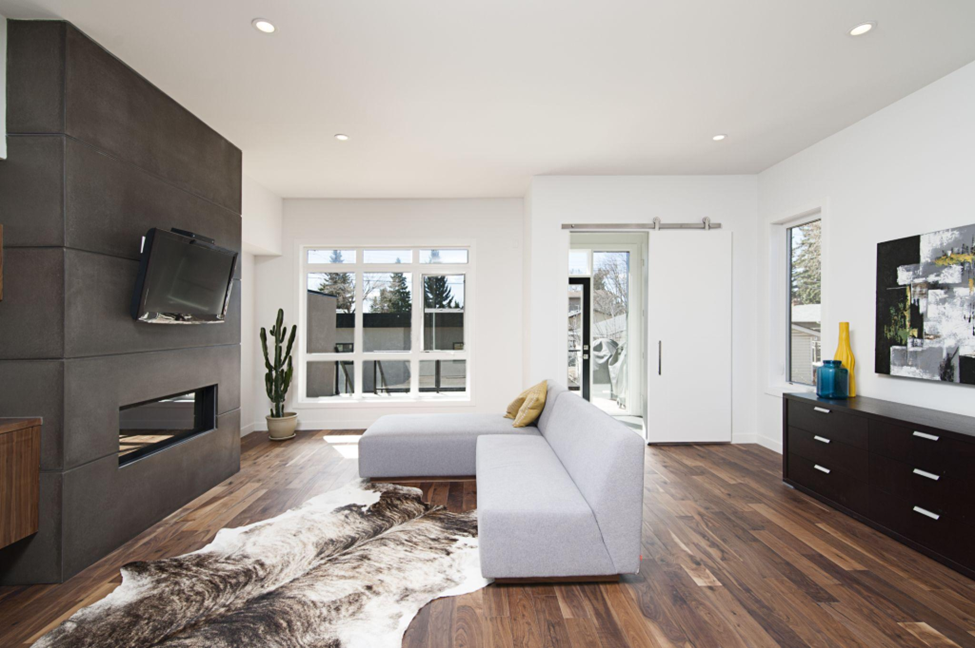
Image: Freepik
An investment property is a financial asset, but it’s also a lived-in space, and that dual identity shapes every upgrade decision an owner makes. When rents plateau or resale value feels capped, the problem is rarely about size or location alone—it’s about perceived care, comfort, and efficiency. The solution is not a full teardown renovation, but targeted improvements that signal quality and reduce friction for tenants. The result is higher appeal, stronger rent stability, and long-term value growth.
Before tenants evaluate amenities or efficiency, they react to what they immediately see when they walk through the door. Clean walls, consistent flooring, and good lighting signal that the property is cared for and ready to live in. When these elements feel worn or outdated, it creates doubt—even if the unit functions well.
These early visual cues don’t increase luxury, but they do remove hesitation. Once that hesitation is gone, tenants are more likely to recognize and value deeper upgrades like durable materials and dependable systems.
Before focusing entirely on aesthetics, it’s worth addressing systems that quietly influence tenant satisfaction. A good example is the home’s water heater. Ensuring it runs efficiently and consistently reduces complaints, emergency calls, and surprise vacancies tied to hot water failures. Whether you’re planning routine upkeep or dealing with sudden issues, using reliable replacement components from trusted brands matters, and sourcing quality water heater parts from established suppliers helps keep systems dependable. Choosing energy-efficient components can also lower utility costs and reduce how often service calls are needed, which directly supports long-term operating margins.
Certain enhancements tend to resonate strongly with renters and buyers alike.
| Upgrade Area | Typical Cost Range | Why Tenants Notice It | Operational Benefit | Long-Term Value Impact |
| Interior paint | Low | Makes the unit feel clean, modern, and move-in ready; strongly influences first impressions during showings | Faster turnovers and fewer objections during leasing | Preserves value by preventing a dated or neglected appearance |
| Flooring replacement | Medium | Signals durability and quality; hard-surface flooring is widely preferred over carpet | Lower cleaning and replacement costs between tenants | High, due to longevity and broader market appeal |
| Energy-efficient fixtures | Low | Improves daily comfort through better lighting and water pressure | Reduces utility usage and maintenance frequency | High, especially as efficiency expectations rise |
| Appliance updates | Medium | Communicates reliability and convenience; newer appliances reduce tenant anxiety | Fewer emergency repairs and service calls | High, particularly when bundled with efficiency gains |
Successful refresh projects follow a deliberate plan instead of spur-of-the-moment choices. This approach keeps spending aligned with returns:
This structure keeps upgrades intentional instead of reactive.
Before committing to changes, many owners want clarity on scope and timing.
Q: Should upgrades be done during tenancy or vacancy?
A: Most cosmetic updates are best handled between tenants, while safety or system repairs should happen immediately.
Q: Do luxury finishes increase rent proportionally?
A: Not always; mid-range, durable materials often deliver better returns than high-end finishes.
Q: Is it better to renovate all units at once?
A: Phased upgrades reduce financial strain and allow you to test which changes deliver the strongest results.
Refreshing an investment property isn’t about chasing trends—it’s about aligning condition, comfort, and cost control. Thoughtful upgrades improve tenant experience while protecting operating margins. Over time, these choices compound into stronger cash flow and asset resilience. When improvements are intentional, the property works harder for you without constant reinvestment.

